
OBESITY & WEIGHT
MANAGEMENT
“The rise of obesity has placed the health of an entire generation at risk.”
— Tom Vilsack, Former U.S. Secretary of Agriculture
What Are The Causes of Obesity?
There are many direct and indirect reasons for a person to become overweight and obese, such as:
There are many direct and indirect reasons for a person to become overweight and obese, such as:
Fast Food
Foods with excessive sugar
Diary Products
Alcohol Consumption
Fatty and processed meats
Fired Food
Sweetened juices and sodas
High carb processed foods
Lack of sleep A lack of sleep not only makes you look and feel tired, you also might gain weight! The lack of sleep reduces the hormone production of ‘Leptin’, an appetite-suppressing hormone, and, in return, increases the production of ‘Ghrelin’, the so-called ‘hunger hormone’, stimulating appetite and fat storage in the body. Lack of movement People following a mainly sedentary lifestyle, which involves a lot of sitting, and less to no physical activities or exercise, are at a high risk of weight gain, and therefore obesity.
Medication side-effects According to the ‘The Journal of Clinical Endocrinology and Metabolism’, certain types of medication are directly linked to a patient’s weight gain, such as
Atypical antipsychotics
Anticonvulsants and mood stabilisers, and specifically
Hypoglycaemic medications
Antidepressants
Glucocorticoids used to treat rheumatoid arthritis
Endocrine disruptors Recent research, published by the ‘World Journal of Gastroenterology’, pointed outut the th evidence between the intake of liquid fructose, a type of sugar that is in corn syrup, and the occurrence of fatty liver and Cardiometabolic Syndrome. In order to avoid obesity, the consumption of any ‘endocrine disrupters’ (chemicals that interfere with our hormone levels), should be not only reduced, but completely avoided. Genes A person’s genetic predisposition can play a significant role in weight gain. Recent research has discovered that the faulty ‘fat-mass and obesityassociated gene’ (FTO), is responsible for cases of obesity. In addition, the so-called ‘hunger hormone’ Grhelin has an impact on our eating behaviour, as it stimulates appetite, and promotes fat storage.
What Are The Symptoms Of Obesity?
There are many direct and indirect reasons for a person to become overweight and obese, such as:
Increased sweating
Breathlessness
Increased blood pressure
Elevated cholesterol levels
Snoring
Fatigue
Back and joint pains
Feeling isolated
Treatment of Obesity, THE METABALANCE WAY
We at Metabalance offer dedicated services and treatments to reduce and heal symptoms, root causes, and effects of obesity, and to achieve optimal health, individualized for each client’s needs and situation.

Bio-Identical Hormone Replacement Therapy (BHRT)

Personalised Nutrition Program

Lifestyle Management

Exercise
Ready to Start Your Healing Journey?
Take the first step towards lasting wellness. Book your consultation today and discover how functional medicine can transform your health.
+91 98109 94145 / +91-11-47037525
Call / WhatsApp
info@metabalancehealthcare.com
Email us anytime
1088 Sainik Farm, Central Avenue New Delhi - 110062
Address
Mon - Sat: 9AM - 7PM
Teleconsultation available
Book Your First Consultation
Fill out the form below and our team will reach out to schedule your comprehensive health evaluation.
FAQ (Frequently Asked Questions)
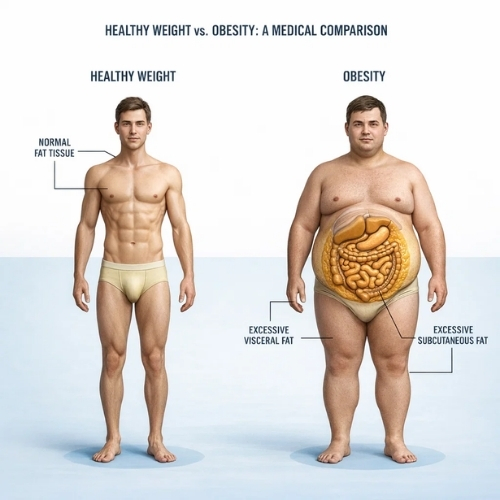
Obesity is a chronic condition characterized by excess body fat that can impact overall health and increase the risk of conditions like diabetes and heart disease. A structured weight management program can help reduce these risks and improve quality of life.
MetaBalance Healthcare provides a functional medicine approach to obesity and weight management, integrating diagnostics and personalized treatment plans as part of their holistic healthcare services.
Yes — MetaBalance Healthcare can create individualized weight management strategies based on your health profile, lifestyle, and diagnostic results.
Obesity assessment may include body composition analysis, metabolic testing, lifestyle review, and other diagnostics to understand factors affecting weight.
Genetic testing may offer insights into how your body metabolizes nutrients, appetite regulation, and weight-related genetic predispositions, helping tailor diet and activity plans.
Evidence-based strategies include adopting a balanced, calorie-controlled diet, increasing physical activity, managing stress, and ensuring adequate sleep as part of a comprehensive plan.
Weight management is a continuous process. MetaBalance Healthcare focuses on sustainable lifestyle adjustments and long-term support rather than quick fixes.
Yes — you can book a consultation with the MetaBalance Healthcare team to start your weight management journey and receive guidance on the best approach for you.
Individuals struggling with excess weight, metabolic imbalances, or those looking to improve overall health and prevent obesity-related complications can benefit from structured weight management services.
You can book your appointment or get in touch with the MetaBalance Healthcare team through their Contact page or by phone/email for queries about obesity and weight management.